Planning Gwangju? You can ask a question on WhatsApp with your dates, or get a private trip quote.

Gwangju Arboretum
Photo: Korea Tourism Organization
01

Gwangju Arboretum

Gwangju Arboretum was built on a sanitary landfill to restore the natural ecological environment by planting trees and creating convenience facilities. The arboretum preserves, manages, researches, and exhibits the indigenous plants of the region and provides visitors with a space to relax and connect with nature.

Visitors of all ages can enjoy educational programs and forest commentary tours, making it a great place for families.

Hours
09:00-18:00 * Last admission for indoor facility visitor center and exhibition greenhouse closes one hour before closing time
Address
142 Dodong-gil, Nam-gu, Jeonnam-Gwangju Special Metropolitan City
Phone
+82-62-613-7864
Website
gwangju.go.kr

Full guide to Gwangju Arboretum: map, photos, where to eat and stay

Mudeungsan National Park
Photo: Korea Tourism Organization
02

Mudeungsan National Park

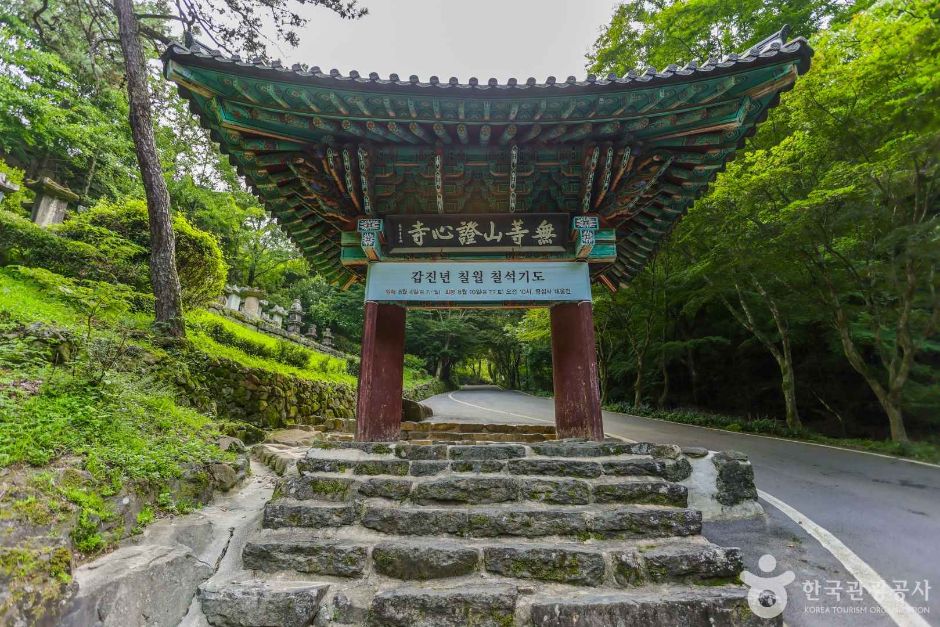
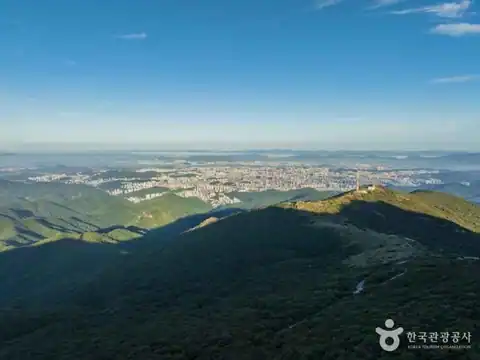
Mudeungsan National Park is a mountain park lining the edge of Hwasun-gun, Damyang-gun and Buk-gu. Mudeungsan Mountain (1,186 meters) features three rock peaks called Cheonwangbong, Jiwangbong, and Inwangbong, also known as the "Jeongsang Three." Mudeungsan Mountain's gradual slope makes it an easy climb for all.

Among the more majestic of these sites are the Seoseokdae, Gyubong, and Ipseokdae peaks. At the base of the mountain are several famous temples including Yaksasa, Jeungsimsa, and Wonhyosa Temples. Mudeungsan Mountain is also known for its beauty throughout the year.

The autumn leaves around Gyubongam Hermitage and silver grass of Baengma Ridge are quite spectacular. In winter, snow and ice on the mountain create exquisite scenery as well. Below the mountain, there are a variety of recreational facilities and tourist sites for visitors.

Hours
Open 24 hr * Subject closure due to adverse weather; check before visiting
Address
Geumgok-dong, Buk-gu, Jeonnam-Gwangju Special Metropolitan City
Phone
+82-62-227-1187

Full guide to Mudeungsan National Park: map, photos, where to eat and stay
May 18th National Cemetery
Photo: Korea Tourism Organization
03

May 18th National Cemetery

The May 18th National Cemetery in Gwangju is a symbol of freedom and democracy. The cemetery holds the graves of 764 victims of the May 18th Democratic Uprising in 1980, seven structures, and many monuments.

Hours
09:00-18:00
Address
200 Minju-ro, Buk-gu, Jeonnam-Gwangju Special Metropolitan City
Phone
+82-62-268-0518
Website
mpva.go.kr

Full guide to May 18th National Cemetery: map, photos, where to eat and stay
Gwangju Jeungsimsa Temple
Photo: Korea Tourism Organization
04

Gwangju Jeungsimsa Temple

Located on the western foothills of Mudeungsan Mountain, Jeungsimsa Temple is a representative temple of Jeonnam-Gwangju Special Metropolitan City. First founded by Buddhist monk Cheolgamseonsa Do Yun during the Silla dynasty, the temple was re by Buddhist monk Hyesoguksa in 1094 (Goryeo dynasty) and again by Kim Bang in 1443 (Joseon dynasty).

The temple was burned down during the Imjin War and was reconstructed in 1609 by three Buddhist monks: Seokgyeong, Sujang, and Dogwang. It underwent several additional restorations before being destroyed again by fire during the Korean War. Most of the existing buildings, including Daeungjeon Halll (main temple building), were rebuilt in the 1970s.

Hours
04:30-17:00
Address
177 Jeungsimsa-gil, Dong-gu, Jeonnam-Gwangju Special Metropolitan City
Phone
+82-507-1427-0259

Full guide to Gwangju Jeungsimsa Temple: map, photos, where to eat and stay
Gwangju Wongaksa Temple
Photo: Korea Tourism Organization
05

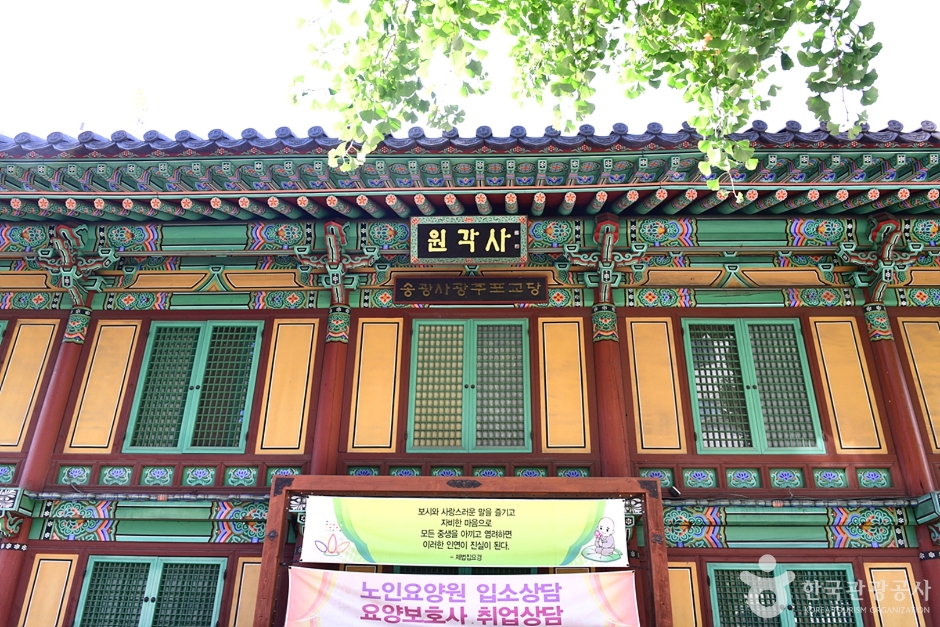
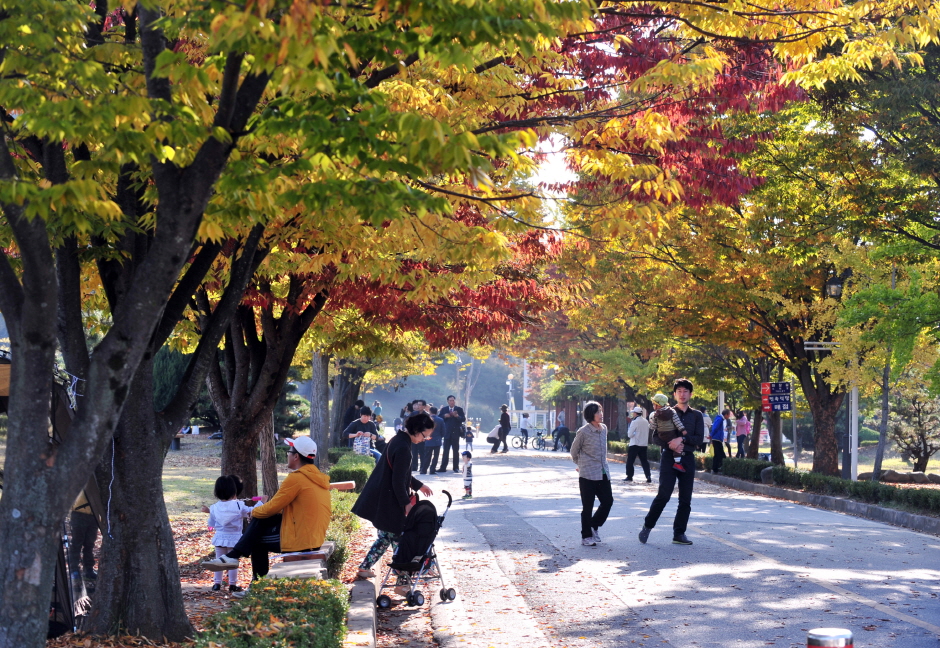
Gwangju Wongaksa Temple

Jeonnam-Gwangju Special Metropolitan City Wongaksa Temple, a branch temple of Suncheon Seonggwangsa Temple, is part of the Jogye order of Korean Buddhism in Jeonnam-Gwangju Special Metropolitan City. Bustling with visitors, the temple offers various events, cultural activities, and Buddhist ceremonies for visitors.

Hours
Open 24 hr
Address
197 Jungang-ro, Dong-gu, Jeonnam-Gwangju Special Metropolitan City
Phone
+82-62-223-3168
Within a short walk: Geumnam Butterfly Garden (1 min), Gwangju Chungjang-ro KPOP STAR Street (5 min), Geumnam-ro Street (7 min), Gwangju Park (9 min)

Full guide to Gwangju Wongaksa Temple: map, photos, where to eat and stay
Gwangjuho Lake Eco Park
Photo: Korea Tourism Organization
06

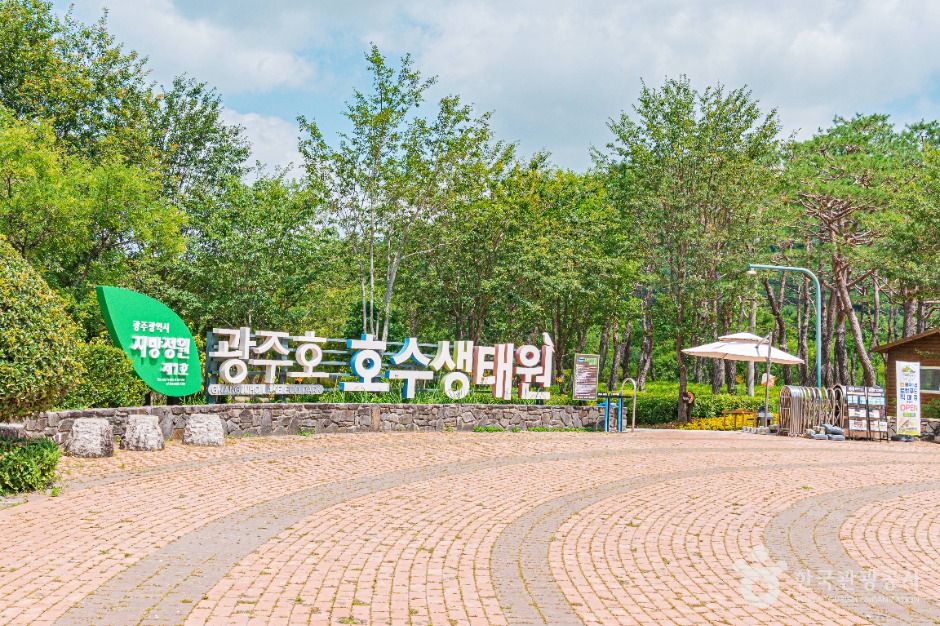
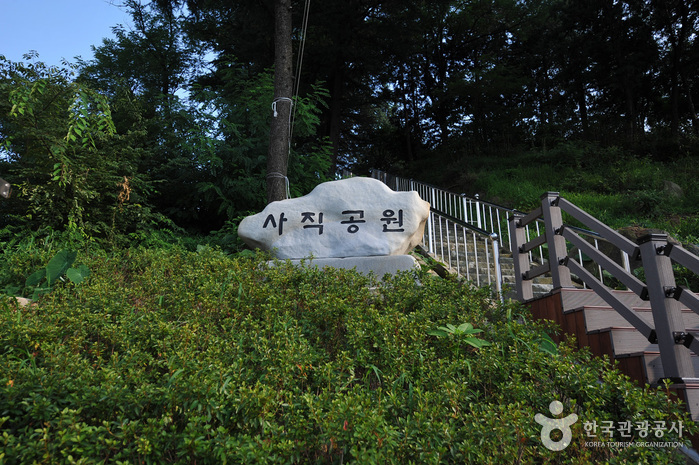
Gwangjuho Lake Eco Park

Gwangjuho Lake Eco Park is an ecological park located near the banks of Gwangjuho Lake, featuring a Nature Observation Center, Nature Learning Center, Lawn Area, and Waterside Wetland. The park is home to around 170,000 wildflowers and over 3,000 trees, offering opportunities to observe various flora and fauna up close.

Visitors can witness diverse birds thriving in the wetlands.

Hours
09:00-18:00
Address
Chunghyo-dong, Buk-gu, Jeonnam-Gwangju Special Metropolitan City
Phone
+82-62-613-7891
Website
bukgu.gwangju.kr
Within a short walk: Hwanbyeokdang Pavilion (5 min), Soswaewon Garden (14 min), Gwangju Pyeongchon Village (16 min)

Full guide to Gwangjuho Lake Eco Park: map, photos, where to eat and stay
07

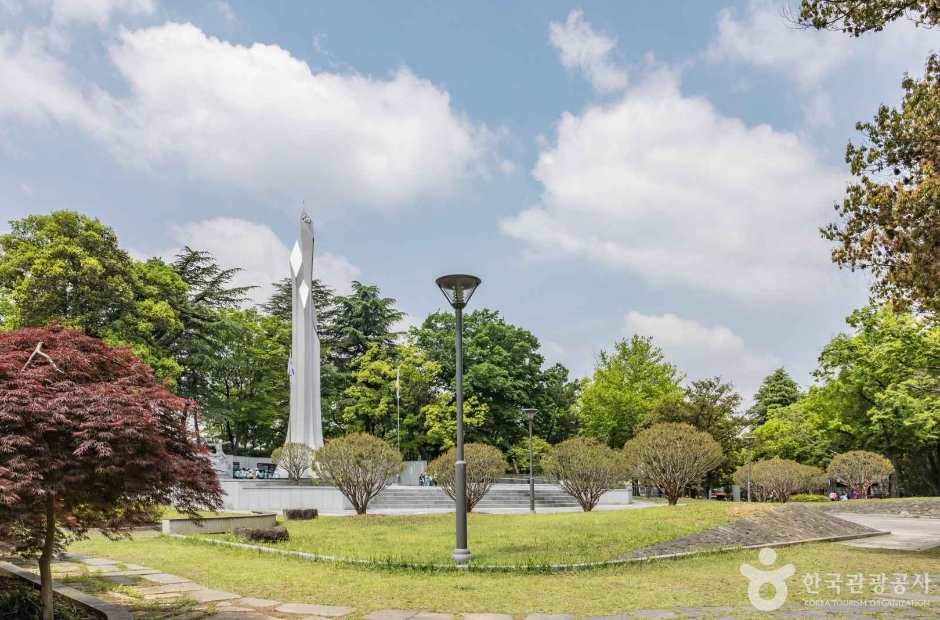
Gwangju Family Land

Gwangju Family Land is an amusement park equipped with dozens of exciting rides as well as recreational facilities such as a swimming pool, an ice rink, and a sledge park. Spanning 290 acres of land, it is the largest urban amusement park in all of Jeollabuk-do and Jeonnam-Gwangju Special Metropolitan City.

The amusement park also offers entertainment courses designed for couples, families and children.

Address
677, Uchi-ro, Buk-gu, Jeonnam-Gwangju Special Metropolitan City
Phone
• 1330 Travel Hotline: +82-2-1330 (Korean, English, Japanese, Chinese) • For more info: +82-62-607-8000
Website
gjfamilyland.com

Full guide to Gwangju Family Land: map, photos, where to eat and stay
Jungoe Park
Photo: Korea Tourism Organization
08

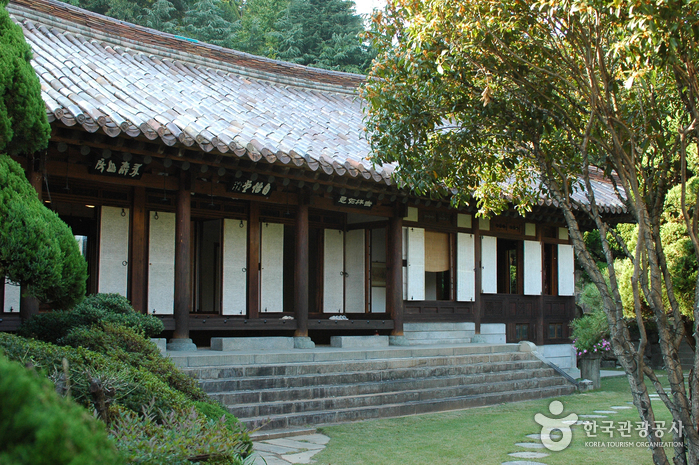
Jungoe Park

Jungoe Park is one of the nation's most famous leisure spaces. There is a children's grand park, the Olympic Garden, and the Olympic Monument. The children's grand park is especially popular on weekends and holidays. There is also a folk museum, an education center, and the Biennale Exhibition Hall in the Biennale & Museum section of the park.

The park is most popular during fall for its beautiful foliage. In addition, the Rainbow Bridge is a symbol of the Biennale and was installed during the 1st Gwangju Biennale.

Hours
Open 24 hours
Address
52, Haseo-ro, Buk-gu, Jeonnam-Gwangju Special Metropolitan City
Phone
• 1330 Travel Hotline: +82-2-1330 (Korean, English, Japanese, Chinese) • For more info: +82-62-613-7100
Website
tour.gwangju.go.kr

Full guide to Jungoe Park: map, photos, where to eat and stay

Gwangju Sajik Park
Photo: Korea Tourism Organization
09

Gwangju Sajik Park

Sajik Park is located at the previous site of Sajikdan Altar, a ritual site to pray for peace and prosperity during the Three Kingdoms Era. In the 1960s, the site was home to Sajik Zoo, with the ritual being abandoned in 1894 and the altar in disrepair. However, in 1991, it was decided to move the zoo to another location and begin restoring the site.

It was reopened in April 1994, 100 years after the last ritual. Sajik Park is landscaped with various trees and flower beds. The park blooms pink and white with cherry blossoms annually in mid-April. During this time, the municipality of Jeonnam-Gwangju Special Metropolitan City installs lighting in the trees for citizens to enjoy the blossoms late into the night.

The park has become established as a favorite rest area for Jeonnam-Gwangju Special Metropolitan City citizens.

Hours
[Sajik Park Observatory Tower] March-November 09:00-22:00 / December-February 09:00-21:00
Address
49, Sajik-gil, Nam-gu, Jeonnam-Gwangju Special Metropolitan City
Phone
• 1330 Travel Hotline: +82-2-1330 (Korean, English, Japanese, Chinese) • For more info: +82-62-652-3236
Within a short walk: House of Choi Seung-hyo (2 min), Lee Jang-woo's House (2 min), Yangnim-dong Penguin Village Craft Street (5 min), Gwangjuhyanggyo Confucian School (7 min)

Full guide to Gwangju Sajik Park: map, photos, where to eat and stay

Gwangju Park
Photo: Korea Tourism Organization
10

Gwangju Park

Gwangju Park, an urban Park in Gwangju, is a popular recreational spot among residents. Home to a memorial tower honoring the victims of the April 19 Revolution, Gwangju Municipal Museum, and a citizens’ hall, the park is a space where traditions and modernity coexist.

Filled with trees and flower plants, it boasts beautiful scenery, especially in April, when cherry blossoms adorn the park. Nearby attractions include Gwangju Sajik Park, Asia Culture Center, and Gwangju Yangdong Market, with a stream flowing in front of the park.

Hours
Open 24 hr
Address
15 Jungang-ro 107beon-gil, Nam-gu, Jeonnam-Gwangju Special Metropolitan City
Phone
+82-62-672-0660
Within a short walk: Gwangjuhyanggyo Confucian School (1 min), Gwangju Chungjang-ro KPOP STAR Street (8 min), Geumnam Butterfly Garden (8 min), House of Choi Seung-hyo (9 min)

Full guide to Gwangju Park: map, photos, where to eat and stay

House of Choi Seung-hyo
Photo: Korea Tourism Organization
11

House of Choi Seung-hyo

The House of Choi Seung-hyo is a traditional residential building located on the southeastern slopes of Yangnimsan Mountain. The rectangular building is open to the east, has 8 kan (the space between two pillars) in the front and 4 kan to the sides, and is graced by a traditional hipped and gabled roof.

Since the building was constructed in the 1920s, it offers a valuable glimpse into the architectural style of Korean houses at the end of the Japanese colonial period. Choi Sang-hyeon was an activist who offered his attic as a place of refuge for other activists.

Address
29-4, Yangchon-gil, Nam-gu, Jeonnam-Gwangju Special Metropolitan City
Phone
• 1330 Travel Hotline: +82-62-1330 (Korean, English, Japanese, Chinese) • For more info: +82-62-607-2332
Website
cha.go.kr
Within a short walk: Lee Jang-woo's House (1 min), Yangnim-dong Penguin Village Craft Street (3 min), Gwangjuhyanggyo Confucian School (8 min), Gwangju Park (9 min)

Full guide to House of Choi Seung-hyo: map, photos, where to eat and stay

Descriptions, hours and closure days come from the Korea Tourism Organization. Hours change with the seasons and on public holidays, so check before you go. More cities: all Korea city guides.

Find us

More of this, less polished

The version we DM to regulars — which vendor opens early, which alley gets crowded first, which tour the driver actually recommends. No newsletters, no popups, just feed posts.

Plan Gwangju with a local

Questions about Gwangju, or want it as part of a private Korea trip? Get a private quote or ask a question on WhatsApp. A real person replies within one business day; no payment until you confirm.

Book on MyGoodLife

Planning Seoul? Get one short email each Monday

Seoul Living from Nils: new day trips and seasonal dates, a local food or café pick, and one practical tip (transit, payment, booking lead times). Free, unsubscribe in one click.

Get the Monday email