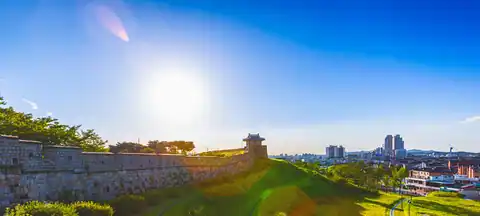
Korean Folk Village + Suwon Hwaseong Fortress Classic Day Tour. The group leaves Seoul at 08:20 and is back around 19:20, about 11 hours in all. 2 stops: Suwon Hwaseong and Korean Folk Village. Pickup at Hongik University Station, Namsan Yejang Public Parking Lot and Dongdaemun History & Culture Park Station.
About this tourOverview
Journey back in time to experience Korea's royal heritage and traditional culture. Korean Folk Village is an open-air museum where you'll walk through reconstructed neighborhoods from Korea's late Joseon period, witnessing traditional artisans at work and experiencing authentic folk customs. Then visit Suwon Hwaseong Fortress, a UNESCO World Heritage Site built by King Jeongjo in the 18th century, with nearly 6 kilometers of fortress walls punctuated by four gates and watchtowers. This comprehensive day tour from Seoul includes optional visits to the traditional Suwon Nammun Market and Wednesday-exclusive cultural performances.
The story behind the places
Suwon Hwaseong Fortress
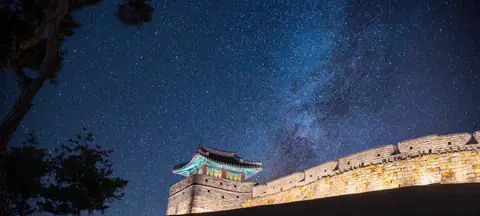
Hwaseong Fortress was built by King Jeongjo in the late 1700s as both a defensive wall and a statement of love and ambition connected to his father, Crown Prince Sado. When you walk the walls, you are walking through a royal city plan, not just a stone fort.
Korean Folk Village
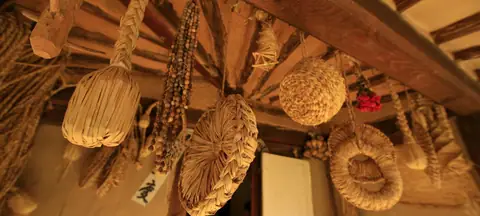
The Folk Village is an open-air memory project. It gathers traditional houses, workshops, performances, and everyday scenes so visitors can picture Joseon-era life during a century when Korea modernized very quickly.
What the day looks like
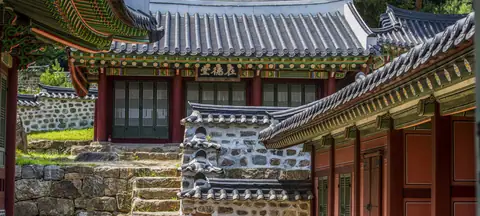
Before the timetable, look at the visual clues: the color, scale, and small details that tell you what kind of day this will feel like.
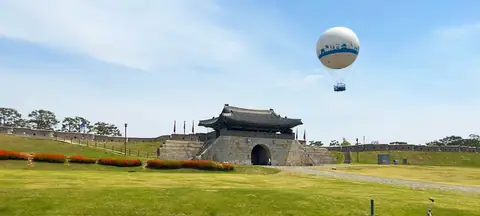
Suwon Hwaseong
Suwon Hwaseong is military architecture with royal ambition. The wall makes more sense when you know it was built as a planned reform city.
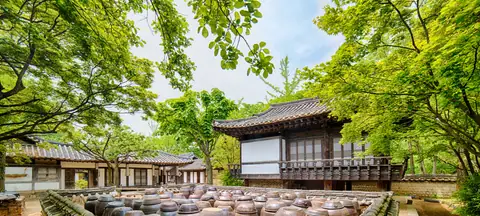
Korean Folk Village
The folk village is staged, but useful: it gathers house styles, crafts, performances, and everyday Joseon-era scenes into one walkable place.
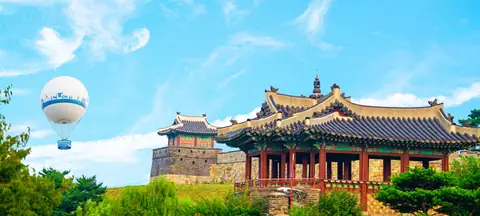
Suwon Hwaseong
Suwon Hwaseong is military architecture with royal ambition. The wall makes more sense when you know it was built as a planned reform city.
GalleryMoments from this tour
HighlightsWhat makes this tour special
ItineraryYour journey
Want this day private, or on your own dates?
Tell us who is travelling, when, and where you stay. A real person replies within one business day with an itinerary and a quote.
Example quote: 3 nights for 2 adults, twin room, land only: from ₩1,120,000 with group tours, or ₩3,320,000 private with a guide and van.
Get a private quote Questions? Ask on WhatsApp No payment, no commitment. Everything is confirmed in writing before you pay.PricingCurrent rates
ServicesWhat's included
Show the full list
✓ Included
✗ Not included
FAQCommon questions
How much does Korean Folk Village + Suwon Hwaseong Fortress Classic Day Tour cost?
How long is the tour?
Where does the tour depart from?
What's included in the price?
What's NOT included?
How do I book this tour?
Other tours you'll love
Nami Island + Petite France & Italian Village One Day Tour
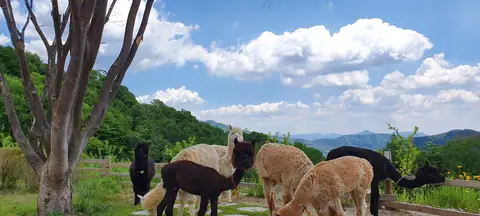
Alpaca World + Nami Island One Day Tour
Alpaca World + Gangchon Railbike + Nami Island + Garden of Morning Calm One Day Tour
Korea in 2026 — what's coming up
The calendar everyone planning Korea should know about. Useful whether you're on our tour or not.
- Cherry blossoms peak in Seoul around April 4–9; Jinhae a few days earlier.
- Jinhae Gunhangje Festival runs late March through early April — Korea's biggest cherry blossom festival, over a million visitors.
- Seoul Jazz Festival, end of May at Olympic Park — line-up drops mid-April.
- Children's Day (May 5) — theme parks absolutely packed; skip Everland/Legoland that week.
- Buddha's Birthday (May 25 in 2026) — temple tours are magical; Seoul Lotus Lantern Festival lights up streets for 5 days.
- Gyeongju Cherry Blossoms are done by now — shift to spring flowers at Morning Calm instead.
- BTS Busan-area reunion event (early June) — expect Busan hotels to hit peak prices.
- Hansik Day (June 6) — traditional Korean food gets spotlighted; Gwangjang Market runs a special all week.
- Dano Festival (late June) — Gangneung hosts the oldest one, UNESCO Intangible Heritage.
- Monsoon season — plan for 3–5 rainy days per week. Indoor/evening tours win.
- Boryeong Mud Festival (mid-July) — two-hour drive from Seoul; still one of Korea's oldest international festivals.
- Busan Sea Festival — beachfront concerts at Haeundae + Gwangalli through August.