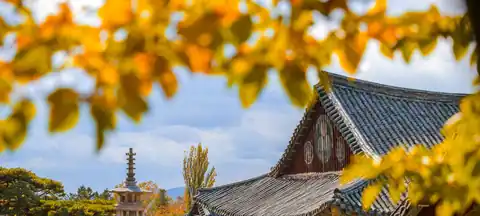
Gyeongju UNESCO Highlights 6-Hour Express Tour. The group leaves Busan at 09:00 and is back around 17:00, about 8 hours in all. 3 stops: Bulguksa Temple, Donggung & Wolji and Woljeonggyo Bridge. Pickup at KTX Busan Station Exit 1, Seomyeon Station Exit 12 and Haeundae Station Exit 5.
About this tourOverview
Gyeongju is the kind of city that becomes clearer when someone tells you what you are standing in front of. This shorter route from Busan keeps the day focused on three Silla landmarks: Bulguksa Temple, Donggung & Wolji, and Woljeonggyo Bridge. It is built for travelers who want the story of Korea's ancient capital without turning the whole day into a checklist.
The story behind the places
Bulguksa Temple
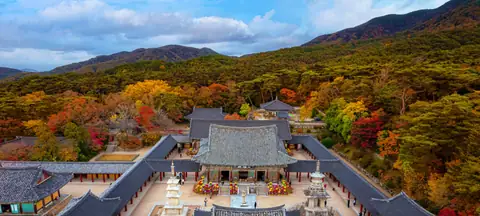
Bulguksa is not only an old temple; it was designed as an idea of a Buddhist paradise made from stone, wood, and careful proportions. The famous stairways and terraces are part of that meaning, so the best way to see it is slowly: look at how the building rises from the earth before you look for the perfect photo.
Donggung & Wolji
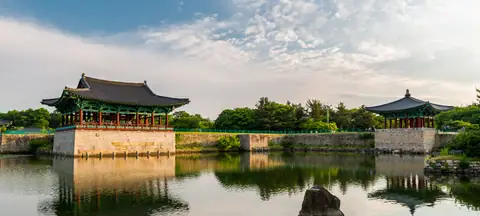
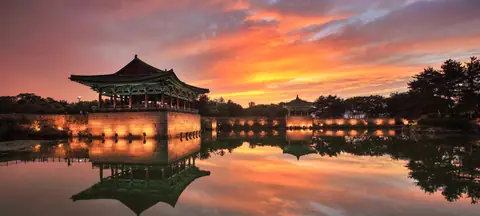
Donggung was a secondary palace for the Silla royal family, and Wolji was its moonlit pond. Locals often talk about the reflections here because the water turns the palace into something half real and half remembered, which suits Gyeongju perfectly.
Woljeonggyo Bridge
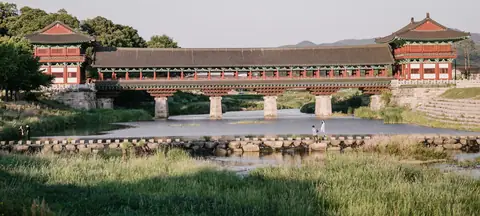
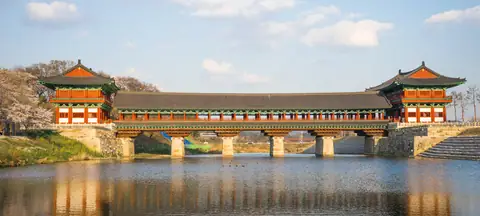
Woljeonggyo gives the city a royal line across the stream. The bridge you see today is reconstructed, but that is part of the story too: modern Korea rebuilt it because the shape still carries the feeling of Silla's elegance.
What the day looks like
This express route reads Gyeongju through three quiet signatures: temple stone, palace water, and the warm timber of a royal bridge.
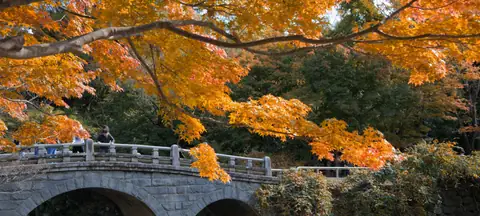
Bulguksa Temple
Bulguksa was built to feel like a Buddhist world made visible. Notice the stone stairs and terraces first; they are not decoration, they are part of the temple's meaning.
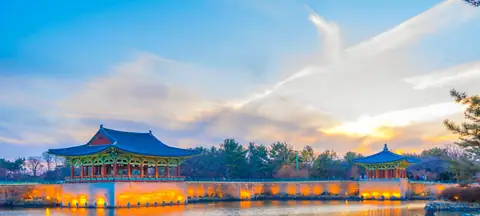
Donggung & Wolji
This palace pond was a place for royal banquets and visiting envoys. The water matters because it turns the buildings into reflections, almost like memory repeating itself.
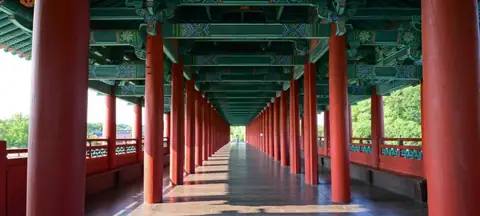
Woljeonggyo Bridge
The rebuilt bridge gives Gyeongju a royal silhouette again. Stand back before crossing it; from a little distance, the wood and roofline explain why Silla wanted beauty to be public.
GalleryMoments from this tour
HighlightsWhat to notice
ItineraryYour journey
Want this day private, or on your own dates?
Tell us who is travelling, when, and where you stay. A real person replies within one business day with an itinerary and a quote.
Example quote: 3 nights for 2 adults, twin room, land only: from ₩1,160,000 with group tours, or ₩4,120,000 private with a guide and van.
Get a private quote Questions? Ask on WhatsApp No payment, no commitment. Everything is confirmed in writing before you pay.PricingCurrent rates
ServicesWhat's included
Show the full list
✓ Included
✗ Not included
FAQCommon questions
How much does Gyeongju UNESCO Highlights 6-Hour Express Tour cost?
How long is the tour?
Where does the tour depart from?
What's included in the price?
What's NOT included?
Which days does the tour operate?
How do I book this tour?
Other tours you'll love
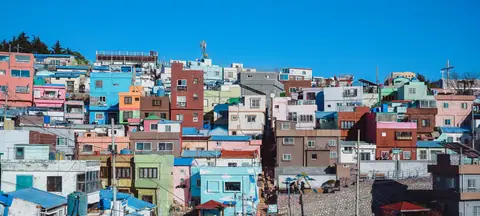
Busan City Tour: Taejongdae, Gamcheon, Songdo Skywalk & Haedong Yonggungsa
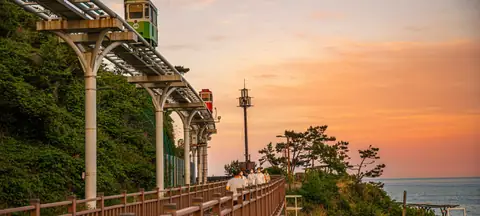
Sunset Haeundae Sky Capsule & East Busan Night View Tour
Busan Sunset Tour with Sky Capsule, Old Town & Local Snacks
Korea in 2026 — what's coming up
The calendar everyone planning Korea should know about. Useful whether you're on our tour or not.
- Cherry blossoms peak in Seoul around April 4–9; Jinhae a few days earlier.
- Jinhae Gunhangje Festival runs late March through early April — Korea's biggest cherry blossom festival, over a million visitors.
- Seoul Jazz Festival, end of May at Olympic Park — line-up drops mid-April.
- Children's Day (May 5) — theme parks absolutely packed; skip Everland/Legoland that week.
- Buddha's Birthday (May 25 in 2026) — temple tours are magical; Seoul Lotus Lantern Festival lights up streets for 5 days.
- Gyeongju Cherry Blossoms are done by now — shift to spring flowers at Morning Calm instead.
- BTS Busan-area reunion event (early June) — expect Busan hotels to hit peak prices.
- Hansik Day (June 6) — traditional Korean food gets spotlighted; Gwangjang Market runs a special all week.
- Dano Festival (late June) — Gangneung hosts the oldest one, UNESCO Intangible Heritage.
- Monsoon season — plan for 3–5 rainy days per week. Indoor/evening tours win.
- Boryeong Mud Festival (mid-July) — two-hour drive from Seoul; still one of Korea's oldest international festivals.
- Busan Sea Festival — beachfront concerts at Haeundae + Gwangalli through August.